


The technology revolutionizing sanitation in Brazil has just gained another chapter
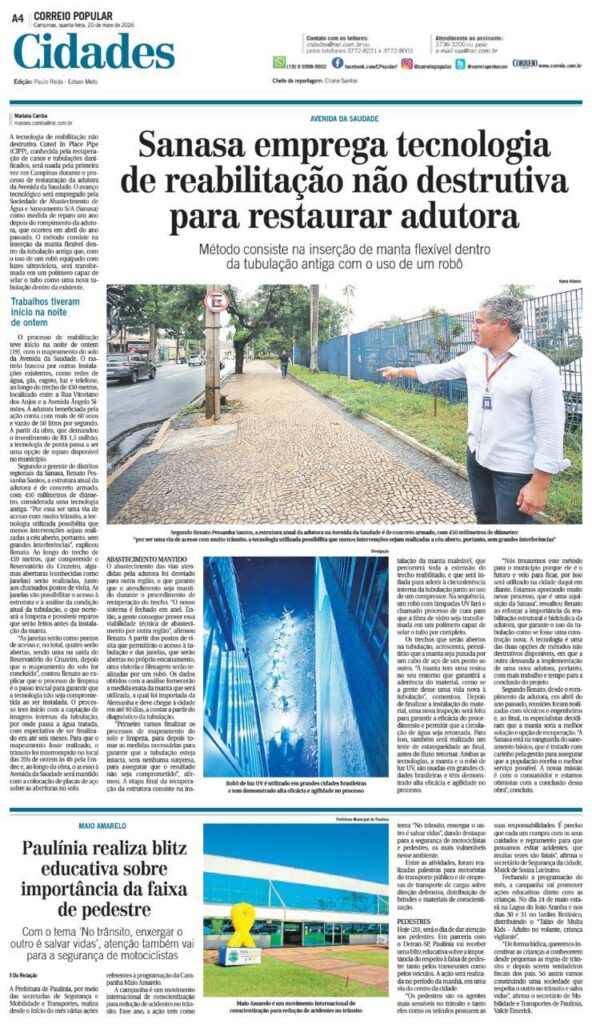
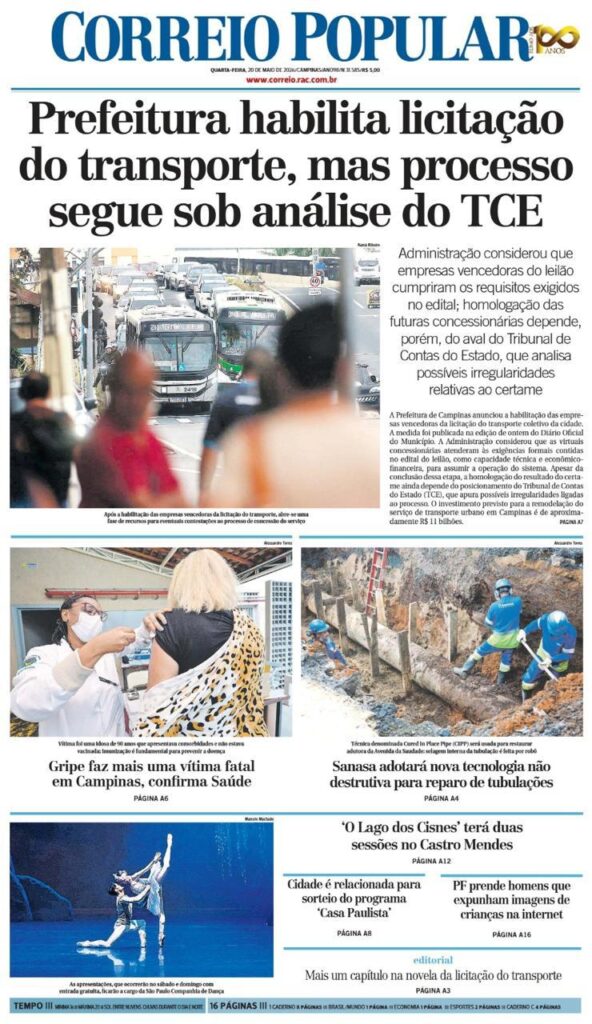
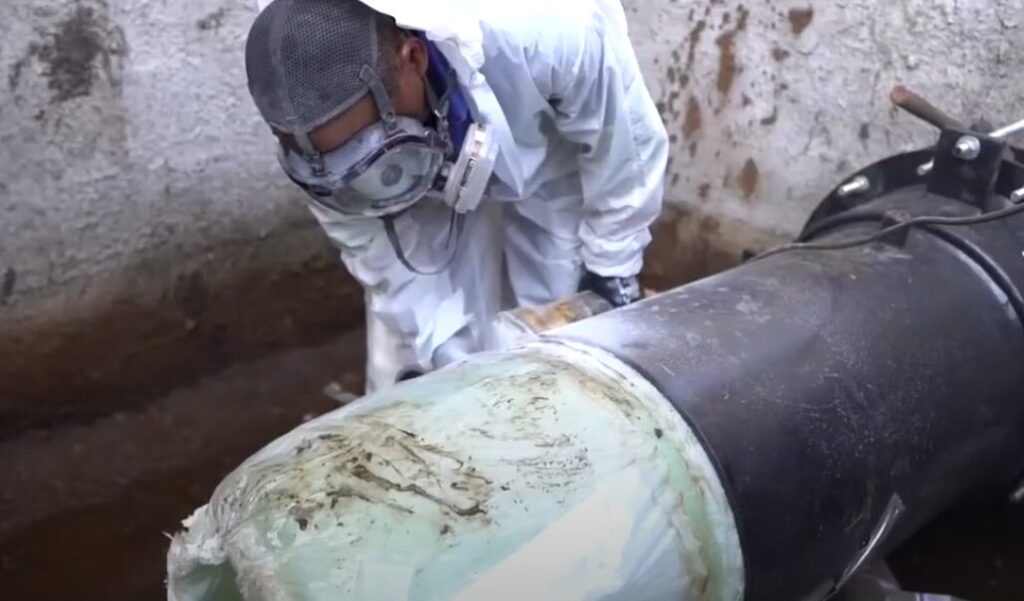
In May 2026, the Sanasa — responsible for the water supply of Campinas (SP) — announced the use of non-destructive rehabilitation Cured In Place Pipe For the first time in the city. The work will recover 430 meters of a water main over 60 years old on Avenida da Saudade, without major excavations and without interrupting the water supply to the population.
The piping in question is made of reinforced concrete, with a diameter of 450 mm, and it already suffered a rupture in April 2025 – a clear sign that the country's sanitation infrastructure is at its limit. The problem is not exclusive to Campinas. Across Brazil, cities of all sizes contend with aging underground networks, many of them installed decades ago, when the only methods available for maintenance were the traditional ones: dig, replace, and redo the asphalt. An expensive, slow process that directly impacts the daily lives of the population.
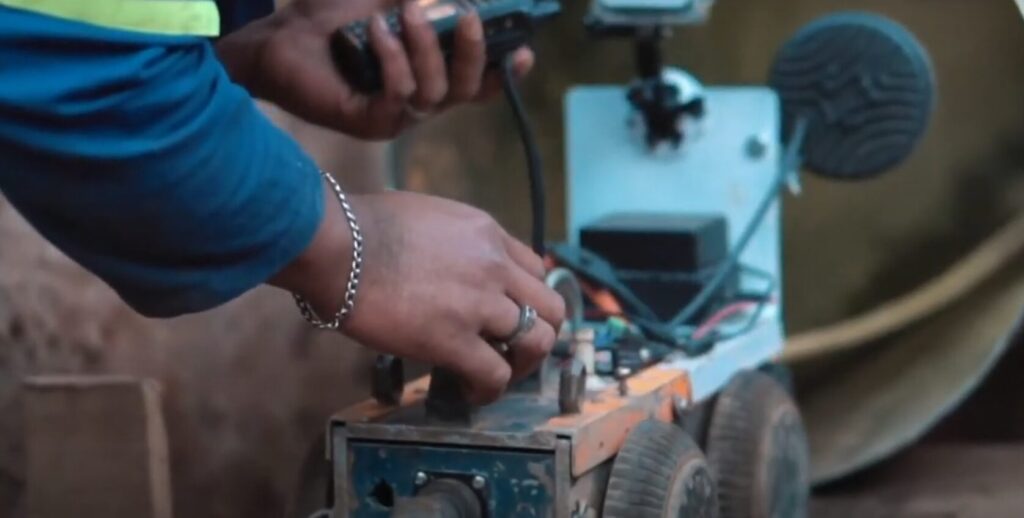
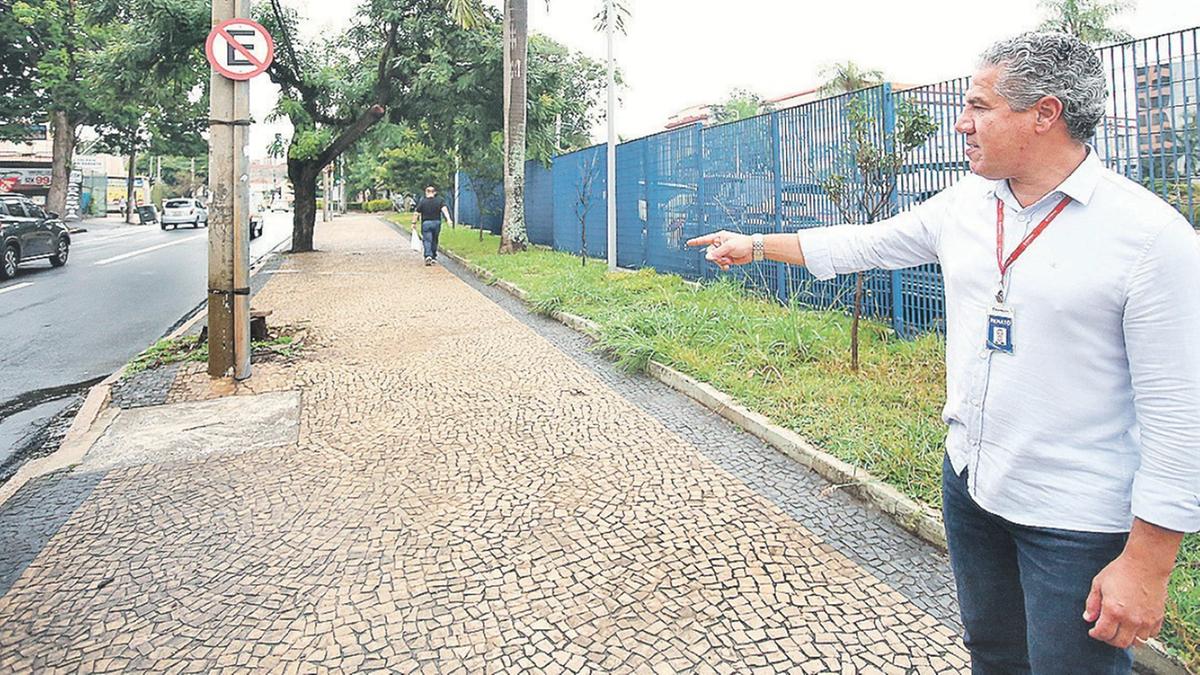
Sanasa's choice of CIPP was not by chance. The work is located on a high-traffic avenue — precisely the type of situation where non-destructive technology excels. Without needing to dig large trenches along the 430-meter stretch, the company maintains vehicle traffic, reduces the impact on local businesses, and delivers a structural solution equivalent to new piping. Sanasa's district manager summarized it well: the technology used makes it possible for fewer open-air interventions to be performed, therefore, without major interference.